Septemviri epulones. A name that might make a modern Italian ear smile. It was a prestigious religious college in ancient Rome: they were the seven responsible for organizing games and banquets during religious festivals. In fact, they really knew about merriment.
In a year not precisely specified between 18 and 12 BC, one of the septemviri epulones died. His name was Gaius Cestius, and he had his own tomb built a short time before: also succumbing to the fashion coming from Egypt, a nation conquered by Octavian Augustus about fifteen years earlier, he wanted a pyramid as his tomb. And he expressly wanted his testamentary heirs to erect such a funerary monument for him: in a maximum of 330 days, otherwise they would be disinherited. They worked so hard that they managed to finish the work even ahead of the deadline: 36.40 meters high, made of concrete, bricks, and Carrara marble. This was and is the Pyramid of Cestius.
Then, three centuries later, when the Aurelian Walls were built, the Pyramid of Cestius was incorporated into their perimeter along with the adjacent Porta San Paolo, from which the Via Ostiense started, which still leads to Ostia. The same road where, much later, on September 10, 1943, the German army marched to occupy the capital of Italy, following the armistice that changed the course of the Second World War. The same gate that the Italian army and a mix of people united by common ideals used on that occasion as a stronghold, to try to repel the very strong enemy, until a few days before an ally. Porta San Paolo "fell", but that day the Resistance officially began. And to fall, in about a year and a half, would be Nazifascism.
Through the formidable sporting expression of effort for a goal that is cycling, the Gran Premio della Liberazione today keeps the memory of those values alive. Significantly, the most important climb of the Caracalla circuit starts from Piazzale Ostiense, where the Pyramid of Cestius and Porta San Paolo are located, the latter with the plaque placed on September 10, 1970, to remember the events of '43. And where does the climb end? At Largo Fioritto, named after Second Lieutenant Enzo Fioritto, who in a last defensive attempt between viale Giotto and viale Baccelli died from a grenade.
The highlight segment of the Liberation route, therefore, is the one most imbued with the historical memory that the race represents.
© Gran Premio Liberazione. SSD Terenzi Sport Eventi
© Gran Premio Liberazione. SSD Terenzi Sport Eventi


Pyramid of Cestius and Porta San Paolo, symbols of the Resistance and Liberation
Pyramid of Cestius and Porta San Paolo, symbols of the Resistance and Liberation
2023-04-08 14:56
2023-04-08 14:56
Array() no author 87360
piramide-cestia, liberazione, porta-san-paolo, piazzale-ostiense, resistenza,
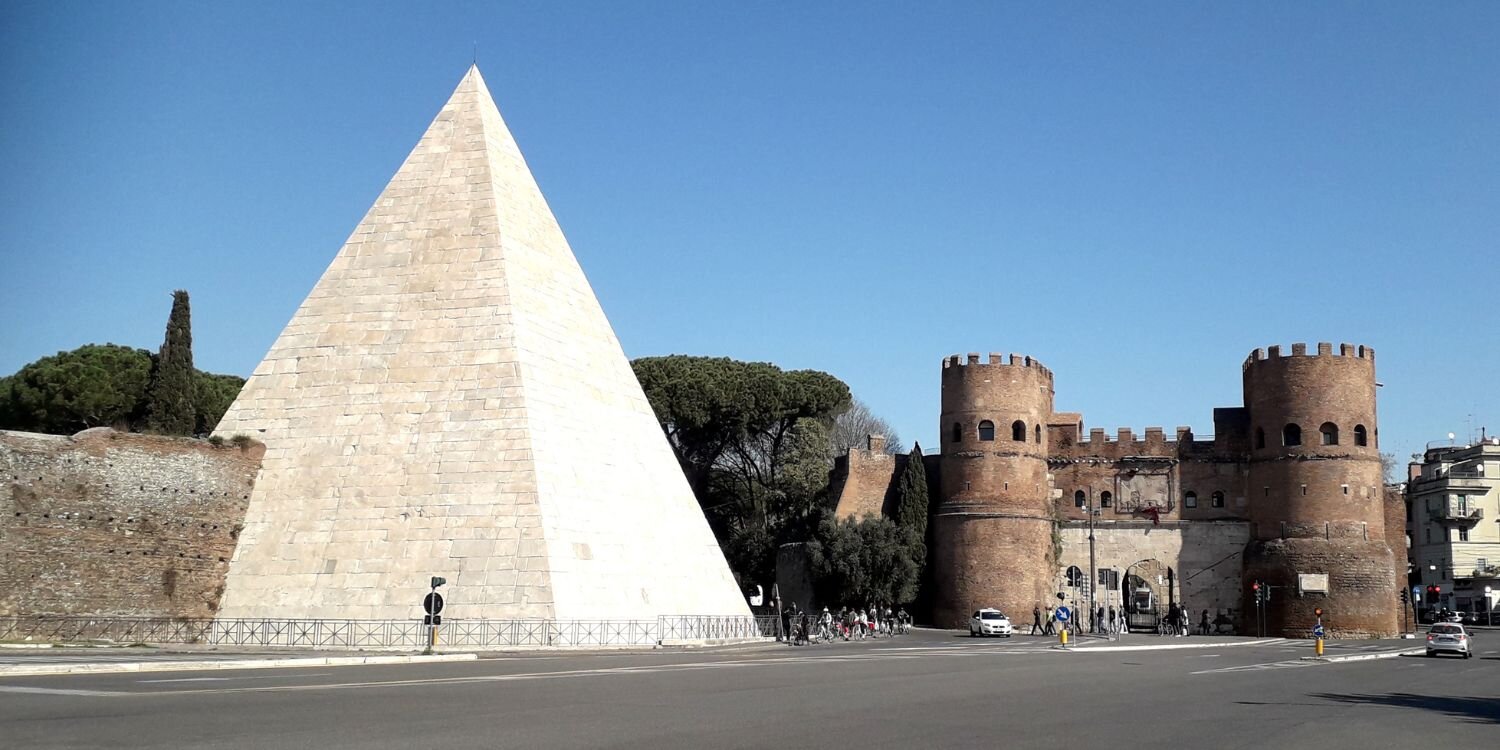
History of the Pyramid of Cestius and Porta San Paolo, which together make up Piazzale Ostiense: the symbolic breakaway of the GP Liberazione begins where on the 10th of September
© Gran Premio Liberazione. SSD Terenzi Sport Eventi